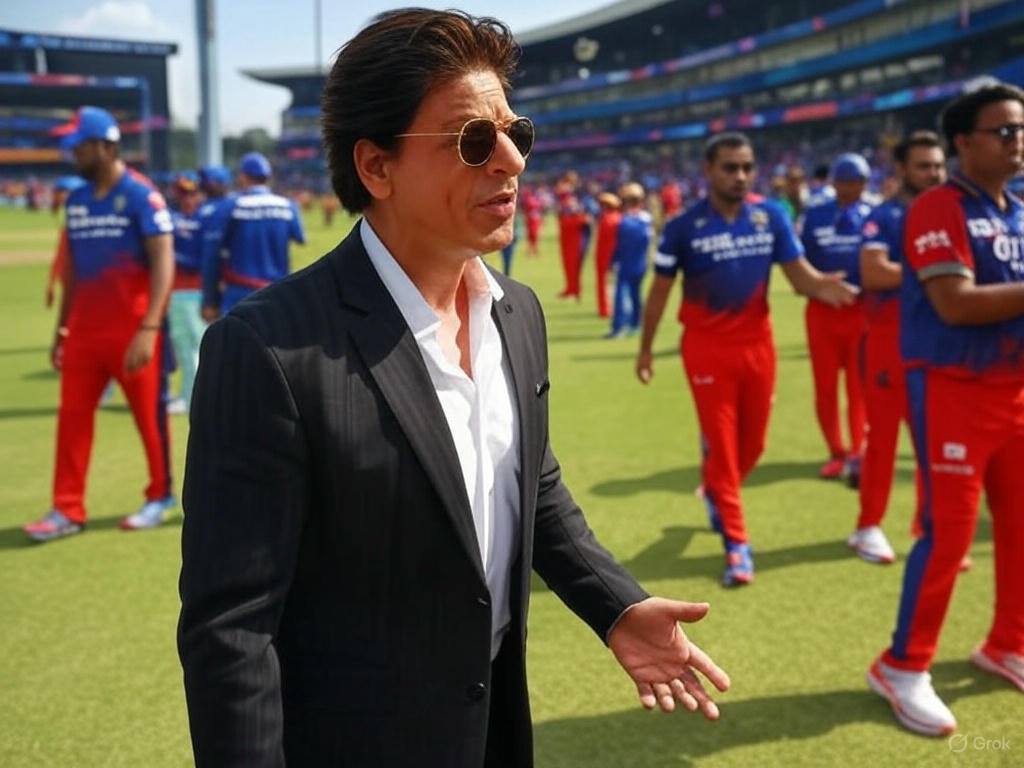

When the Indian Premier League (IPL) launched in 2008, few could have predicted that a domestic cricket tournament would evolve into one of the most lucrative sports leagues in the world. Today, the IPL isn’t just a sporting event—it’s a global marketing phenomenon, blending cricket’s emotional pull with cutting-edge branding, celebrity glamour, and digital innovation. So, how did this T20 league transform from a bold experiment into a powerhouse that commands billions in revenue and a worldwide audience? Let’s break it down.

The Perfect Storm: Timing and Format
The IPL’s rise began with impeccable timing. By 2008, India’s economy was booming, and cricket was already a religion in the country. The Board of Control for Cricket in India (BCCI) seized the moment, introducing a fast-paced, entertainment-driven T20 format that appealed to a younger, time-pressed audience. Matches wrapped up in three hours, making them perfect for primetime TV—a stark contrast to the five-day Test matches or day-long ODIs.
This condensed format wasn’t just a hit with fans; it was a goldmine for advertisers. With frequent breaks and high-energy moments, brands could slot in commercials, sponsor key plays (think “DLF Maximum” for sixes), and plaster logos across stadiums, jerseys, and screens. The IPL turned cricket into a marketer’s playground.
Bollywood Meets Cricket: The Glamour Factor

The IPL didn’t stop at sport—it added a hefty dose of showbiz. Team owners like Shah Rukh Khan, Preity Zinta, and Mukesh Ambani brought Bollywood glitz and corporate muscle to the league. Suddenly, cricket wasn’t just about runs and wickets; it was about star-studded launch parties, cheerleaders, and post-match concerts. This fusion of entertainment and sport broadened the IPL’s appeal beyond hardcore cricket fans, drawing in casual viewers and international audiences.
For brands, this was a dream come true. Associating with an IPL team meant tapping into the star power of its owners and players, from Virat Kohli’s charisma to MS Dhoni’s cult following. Companies like Pepsi, Vivo, and Tata latched onto this, using the IPL as a launchpad for massive campaigns that resonated far beyond India’s borders.
A Digital Revolution
The IPL’s global marketing dominance owes much to its embrace of digital platforms. With the rise of smartphones and affordable data in India, the league partnered with streaming giants like Hotstar (now Disney+ Hotstar) to bring matches to millions online. In 2022, the IPL’s digital rights alone sold for a staggering $6 billion, outpacing its TV deal. This shift made the IPL accessible to a global diaspora—Indians in the US, UK, and Australia could now cheer for their teams in real-time.
Social media amplified this further. Teams built massive followings on Instagram, Twitter, and YouTube, engaging fans with behind-the-scenes content, memes, and player interactions. Brands jumped in, sponsoring hashtags, running contests, and leveraging influencers to keep the IPL buzzing year-round. The result? A marketing ecosystem that never sleeps.

Franchise Fever: Loyalty as a Commodity
The IPL’s city-based franchise model turned local pride into a branding bonanza. Teams like Mumbai Indians, Chennai Super Kings, and Kolkata Knight Riders didn’t just represent players—they became symbols of regional identity. Fans didn’t just watch; they invested emotionally, buying jerseys, attending matches, and defending their teams online.
For marketers, this loyalty was pure gold. Companies aligned with specific franchises—think CEAT with Mumbai Indians or Ambuja Cement with Rajasthan Royals—gained a direct line to passionate fanbases. The IPL’s auction system, where players are bid on like stocks, added another layer of intrigue, keeping brands and fans hooked even in the off-season.

Global Reach, Local Roots
While the IPL’s heart beats in India, its marketing muscle flexes worldwide. International players like Chris Gayle, AB de Villiers, and Ben Stokes brought their own followings, making the league a melting pot of talent and cultures. Broadcasters like Sky Sports and ESPN carried the IPL to cricket-loving nations like the UK, Australia, and South Africa, while partnerships with platforms like Facebook expanded its footprint in non-traditional markets.
Yet, the IPL never lost its Indian essence. Brands tailored campaigns to local tastes—think Jio’s data plans for rural fans or Swiggy’s food delivery tie-ins during matches. This balance of global scale and local flavor made the IPL a marketing juggernaut that others, like the NBA or EPL, could only envy.
The Numbers Don’t Lie
The IPL’s financial clout seals its status. In 2023, its brand value was estimated at $8.5 billion, with each franchise raking in millions from sponsorships, ticket sales, and merchandise. Title sponsorships have soared—Dream11 paid $27 million annually, while Tata’s deal in 2024 reportedly hit $40 million. The league’s ability to attract blue-chip advertisers like Amazon, Coca-Cola, and Unilever speaks volumes about its pull.
The Future: Bigger, Bolder, Global
The IPL shows no signs of slowing down. With plans to add teams, expand into new markets, and integrate technologies like AR/VR for fans, it’s poised to redefine sports marketing further. For brands, the IPL isn’t just an event—it’s a year-round platform to connect, engage, and sell.
From a cricket league to a cultural and commercial titan, the IPL’s journey is a masterclass in marketing. It took a beloved sport, wrapped it in entertainment, and sold it to the world. And as it continues to grow, one thing is clear: the IPL isn’t just hitting sixes on the field—it’s smashing boundaries in the global marketplace.